
Reflections on an anesthetic elective in Uganda
Kathryn Taylor , a pediatric anesthesia resident at UBC, spent two weeks completing an elective in Uganda.

"I recently had the privilege of joining a multidisciplinary team delivering anaesthetic care during plastic surgery in a resource-limited hospital in Uganda. As a paediatric anaesthesia fellow, this experience provided an invaluable opportunity to develop both clinically and personally, while contributing to meaningful patient care in an underserved setting.The clinical exposure was both diverse and challenging. Patients often presented with advanced pathology
due to delayed access to care, requiring more flexible perioperative planning and adaptability.
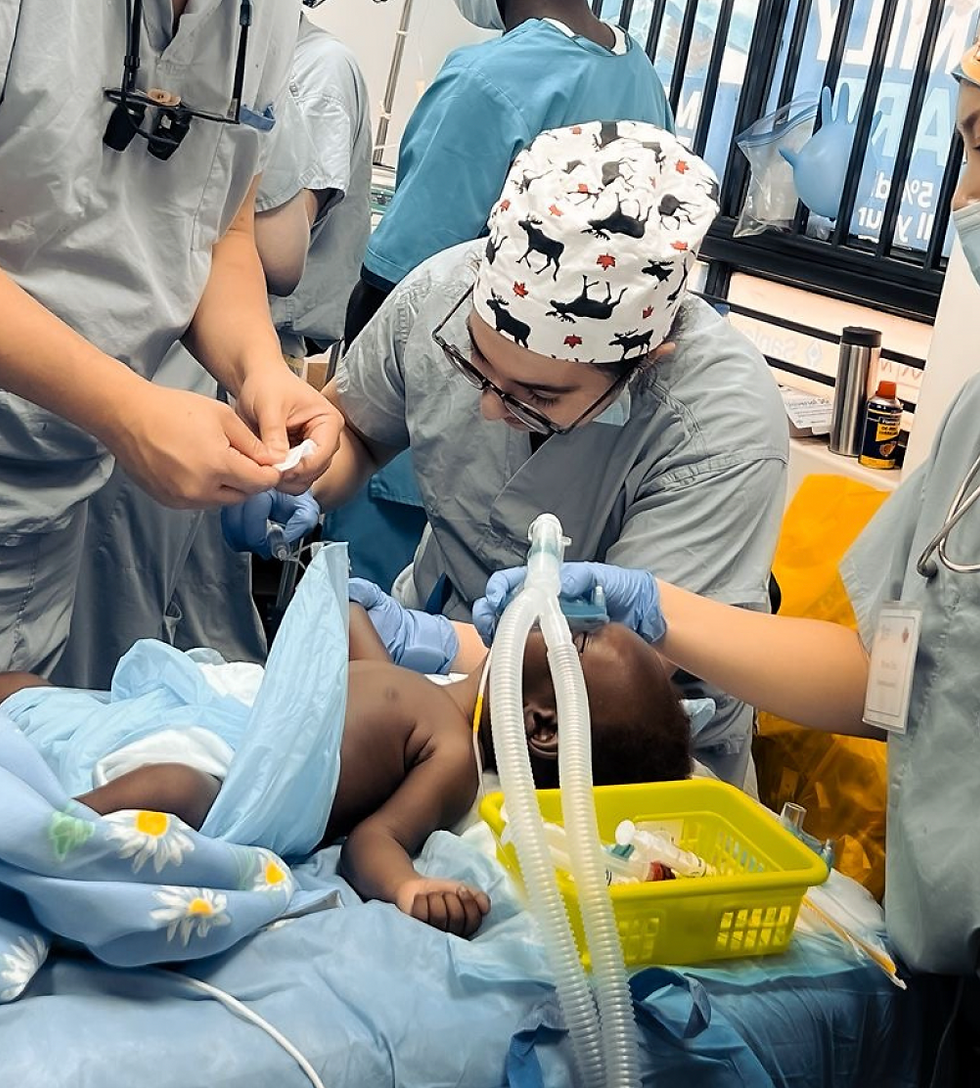
Working in an environment with limited equipment, inconsistent supplies, and constrained infrastructure meant that anaesthetic plans often had to be adjusted in real time. An example of this was that one of the available ventilators had a persistent large leak, limiting its safe use to larger patients or those able to maintain spontaneous ventilation. These challenges required a return to core principles and reinforced the importance of flexibility, vigilance, and forward planning.
A particularly significant moment occurred when there was a complete loss of oxygen supply to the hospital during two concurrent surgical cases. This was later found to be due to depressurisation of the external oxygen manifold during a cylinder change. With no backup cylinders attached to the anaesthetic machines due to resource availability, we had to rapidly move to other emergency measures. The situation required calm, structured thinking, clear communication, and effective leadership
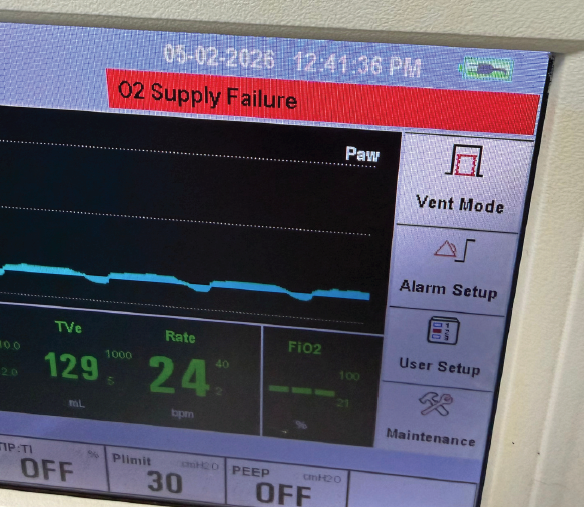
within the theatre team. Both patients remained stable, and the oxygen supply was successfully restored. This experience was a powerful reminder of the importance of preparedness and the ability to manage rare but critical incidents in any setting.
One of the most rewarding aspects of the elective was the team dynamic. There was a strong willingness to support one another wherever needed, with all members of the team contributing beyond their defined roles to ensure patient care continued safely.
This shared sense of purpose and drive fostered a high morale and resilience, even when faced with daily logistical and clinical challenges. The collaborative environment not only enhanced patient care but also created a supportive space for learning and professional growth, not only for myself, but for the whole team.
The trip also highlighted important systems-based challenges. Variability in operating list planning and prioritisation made it difficult to allocate resources efficiently across the duration of the trip, and access to theatre was sometimes limited due to emergency obstetric cases. Equipment shortages and supply constraints required careful management and anticipation. Navigating this often required some diplomacy, patience, which is not always my strong suit, and pragmatic problem-solving, particularly when balancing visiting team objectives with the needs of the local healthcare system.
Despite these challenges, what stood out most at the end of the trip for all of us was our collective adaptability. As a team, we reflected on how frequently we had to adjust plans, rethink approaches, and problem-solve in real time—whether in response to equipment failure, oxygen supply disruption, theatre access limitations, or unexpected clinical complexity. Rather than halting progress, each setback became an opportunity to collaborate, recalibrate, and move forward.
We all commented during the end of mission debrief at how flexible and resourceful the team had become in order to provide the best possible care within the constraints we faced, something I am incredibly proud of. It was a privilege to contribute to care for patients who may otherwise not have had access to surgical treatment.
The gratitude expressed by patients and their families was deeply moving, and it was clear that our presence had a tangible and meaningful impact. Many patients had waited years for treatment, and being able to play a role in their care was both humbling and inspiring. This experience reinforced the value of global health initiatives and the importance of improving equitable access to safe surgical and anaesthetic care worldwide.
As a result of this experience, I have developed greater confidence in managing anaesthesia in both resource-limited and more usual, western settings, as well as skills in responding to unexpected, thankfully very rare, critical incidents. I have also gained valuable skills in leadership, teamwork, and adaptability. Importantly, this experience has influenced my future practice, with an increased focus on contingency planning and solid equipment checks.
Overall, I feel incredibly grateful and privileged to have had this opportunity. Being part of the Operation Rainbow Canada team and supported by the Institute for Global Health has been an immensely rewarding experience. It has strengthened my clinical practice, broadened my perspective, and reaffirmed my commitment to contributing to global health initiatives in the future.
At the conclusion of the mission, I joined a few team members on a gorilla trekking experience. Seeing mountain gorillas up close in their natural habitat was truly mind-blowing. They were enormous, powerful, and majestic, yet their interactions with one another were strikingly gentle. and profoundly human. Observing their social bonds, playfulness, and attentiveness offered a rare and moving perspective on connection and coexistence. It was an unforgettable experience that provided time to reflect on the mission, the privilege of working in such a remarkable country, and the shared experiences that had brought our team together."


Comments